

If you search for "BizOps" you'll mostly find career advice: how to land a BizOps role, what MBA programmes feed into it, why ex-consultants love it. What you won't easily find is a clear explanation of what the function actually does, how it differs from regular business operations, and why more and more companies are building dedicated BizOps teams.
This guide covers the practical side. What BizOps is, what it isn't, how it fits your operating model, and how to make it work once you have it.
BizOps vs business operations: the difference matters
"Business operations" is a broad term for the activities that keep a company running: finance, HR, legal, IT, facilities. When people use that term, they usually mean the operational backbone.
BizOps is something different. It emerged in Silicon Valley as a distinct function, closer in spirit to internal strategy and analytics than to traditional operations. The BizOps team is typically a small, cross-functional group that works on high-priority, cross-departmental problems. They own the data, analyse what's happening, and make recommendations that the exec team can act on.
The simplest way to tell them apart: business operations keeps the lights on. BizOps decides which lights to turn on next.
What does a BizOps team actually do?
BizOps teams vary a lot depending on company size and stage, but most cover a few core areas:
- Decision support. The classic BizOps function is turning business data into decisions. Should we expand into this new market? Is our sales motion working? Where are we losing customers? BizOps builds the models, runs the analysis, and presents the recommendation.
- Cross-functional projects. BizOps often picks up the high-priority initiatives that don't have a natural home: the kind of project that touches product, marketing, sales, and finance simultaneously. Someone needs to own the coordination and keep it moving. That's usually BizOps.
- Operating cadence. In many growth-stage companies, BizOps is the team that runs the weekly leadership review, the monthly business review, and the quarterly planning process. They prepare the data, set the agenda, and make sure the organisation is asking the right questions at the right cadence.
- Process and tooling. BizOps often owns or influences the operational stack: which tools the company uses to track goals, measure performance, and report progress. When things get chaotic at scale, BizOps builds the infrastructure to bring order back.
How BizOps fits your operating model
In a small company, BizOps is often just the CEO with a spreadsheet. Once you hit 50-100 people, informal coordination starts to break down. Decisions take longer, information gets siloed, and important initiatives stall because nobody has clear ownership.
That's the moment BizOps becomes valuable. It's not about headcount: it's about having a dedicated function that keeps strategy and operations connected.
Think of it this way. Every company has a brain (the strategy) and muscles (the execution). What most companies lack is the connective tissue in between. That's exactly what a well-run operating model needs: a function that makes sure the two sides are actually talking to each other. BizOps fills that gap at the operational layer.
This is why BizOps tends to report high in the org: CEO, COO, or CFO. The function only works if it has access to information across the whole business and the authority to influence priorities.
BizOps vs StratOps: similar names, different jobs
You might also encounter the term StratOps (strategic operations). The two are related but not the same, and it's worth understanding the distinction.
BizOps is primarily about operational efficiency and decision support: analysing what's happening, running cross-functional projects, and keeping the operating cadence humming. It's inward-facing and often project-driven.
Strategic operations, or StratOps, is more focused on the strategy-execution interface: translating the company's long-term strategy into the quarterly operating system (OKRs, planning cycles, initiatives, review cadences). StratOps owns the question "are we working on the right things?" BizOps owns the question "are we executing the right things efficiently?"
In practice, smaller companies often have one team doing both. At scale, they tend to separate: BizOps sitting closer to the COO or CFO, StratOps closer to the CEO or chief of staff.
Neither function is better. They're complementary. If you only have resources for one, start with the one that matches your current biggest problem: operational chaos (BizOps) or strategic drift (StratOps).
How BizOps teams track progress and stay aligned
Here's the part that most BizOps articles skip: having smart people in a BizOps function is necessary but not sufficient. The function only works if it has the right infrastructure for tracking goals, monitoring initiatives, and creating visibility across the business.
Without that infrastructure, BizOps becomes a high-paid advisory function that produces great slide decks but doesn't move the needle.
The practical solution is connecting BizOps work to the company's goal-setting system. Each major BizOps initiative should have a clear owner, a measurable outcome, and a regular check-in cadence. That's the strategy execution rhythm that separates a BizOps team that drives results from one that gets stuck in analysis.
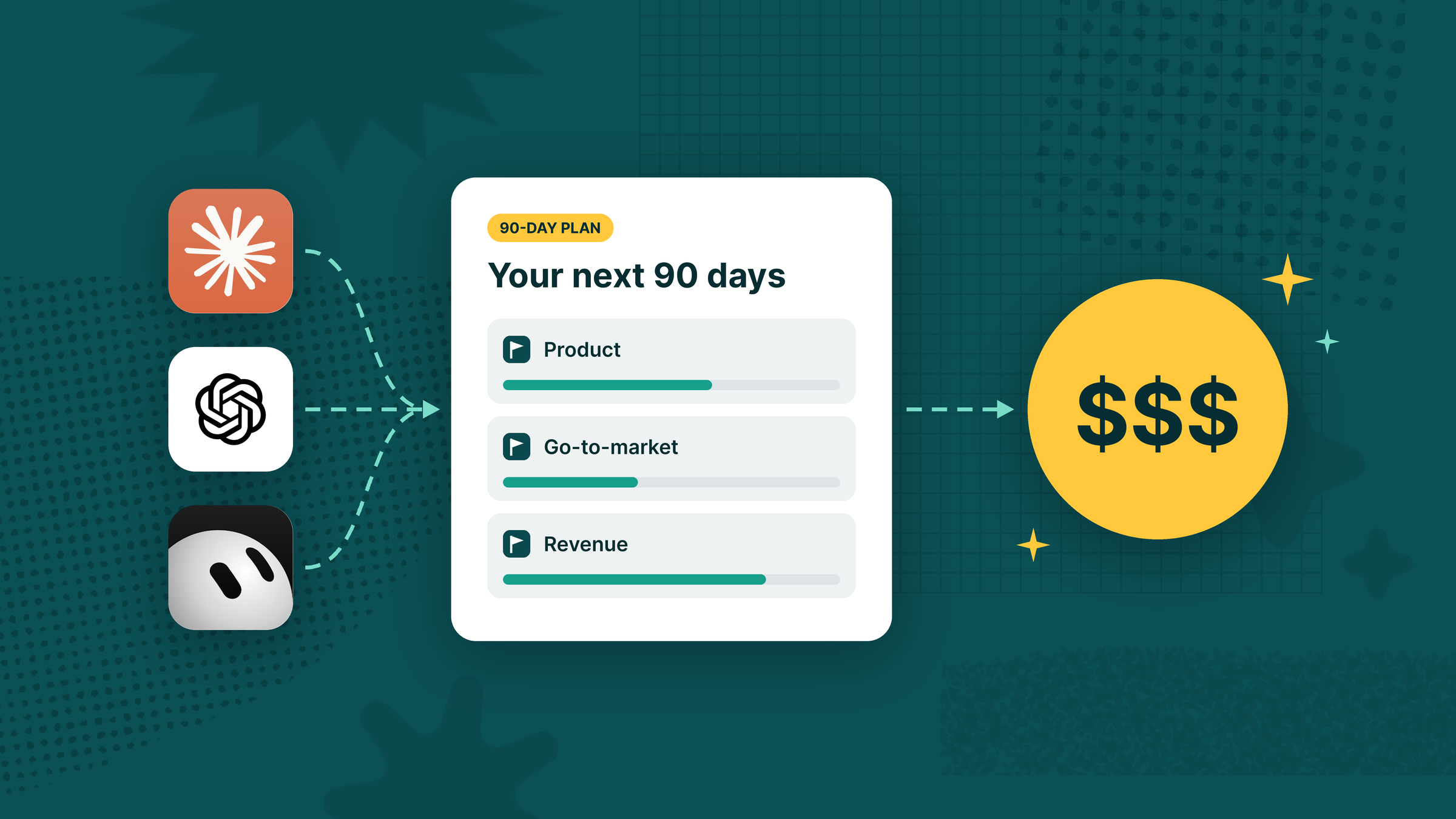
This is where tools like Tability come in. Tability gives BizOps and strategy teams a single place to set up OKRs, run weekly check-ins, and connect initiatives to outcomes — without the overhead of an enterprise platform. If you're building a BizOps function, the goal-tracking system should be one of your first decisions, not an afterthought.
Building a BizOps function: where to start
If you're setting up a BizOps function for the first time, here's a practical starting point:
- Define the mandate. Is BizOps primarily doing analytics, cross-functional project management, or operating cadence? Pick the one that addresses your biggest current gap. You can expand the scope later.
- Get exec sponsorship. BizOps without access to leadership is just a reporting team. The function needs to be close enough to the top that its recommendations actually land.
- Build the data foundation. Before you can make good decisions, you need good data. Figure out what your key metrics are, where the data lives, and how to get reliable, timely access to it.
- Establish the operating cadence. Weekly leadership reviews, monthly business reviews, quarterly planning — decide which rhythms matter for your stage and make them consistent.
- Connect goals to work. Every BizOps initiative should be tracked in a system that gives the team and leadership visibility on progress. The OKR framework is a natural fit: clear objectives, measurable key results, and a weekly check-in cadence that keeps things from drifting.
If you're already running OKRs or building toward that, a tool like Tability can help you structure BizOps work inside the same system the rest of the company uses — which makes reporting to leadership a lot cleaner.

.jpg)
.png)