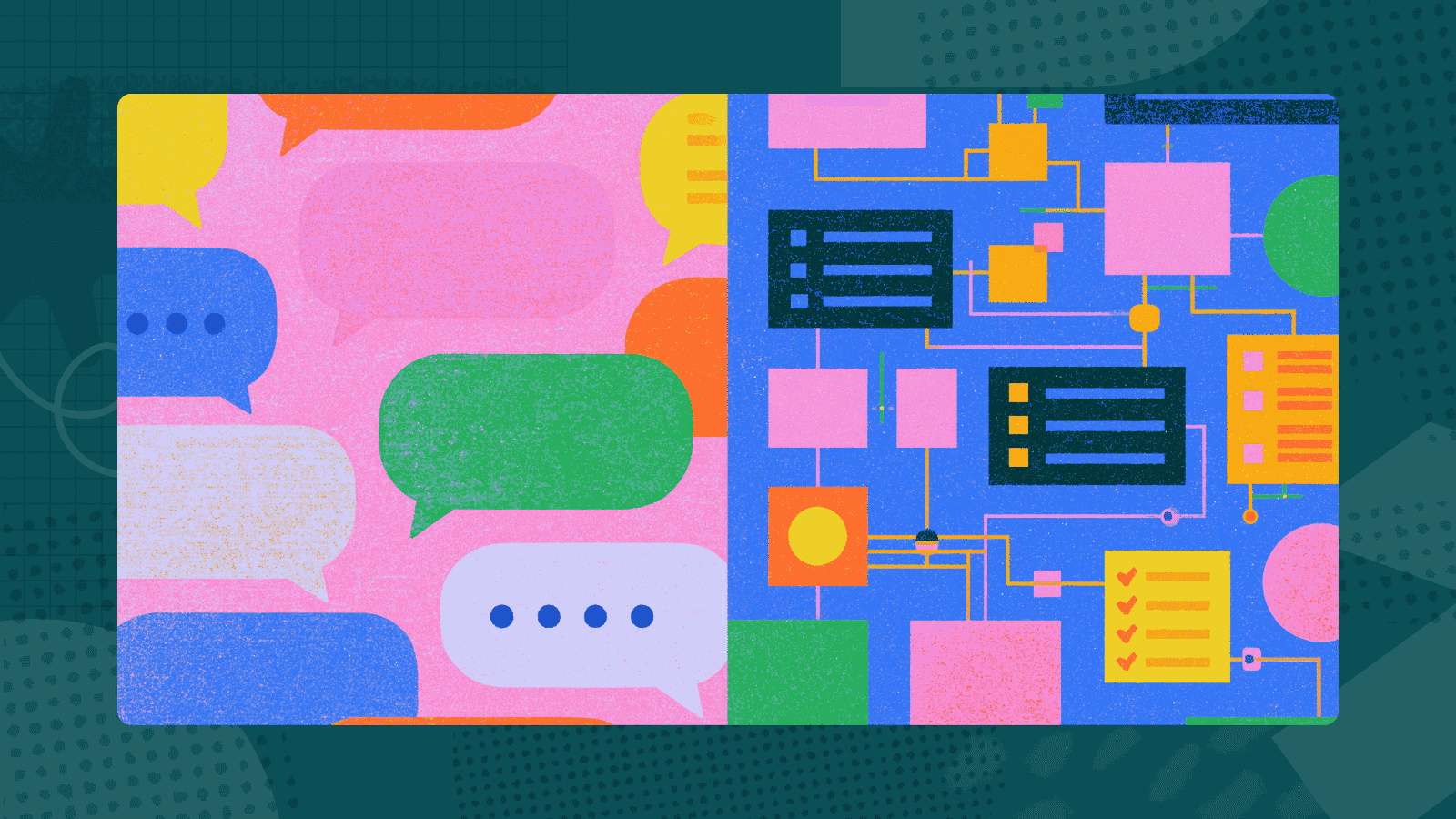
Every AI tool is a teammate now. Scroll through enough SaaS homepages and you'd think half the software industry hired a small army of new starters last quarter, each with a name, an avatar and a personality. Look past the branding, though, and most of them are still chatbots wearing a name tag.
That's not a dig at chatbots. A good one is genuinely useful. But calling something a teammate when it only does anything after you type to it is a bit like calling your calculator a colleague. "Teammate" implies something specific: someone with a job, who does it without waiting to be asked, and who can be held to it. Most AI teammates don't clear that bar. They just have better copywriting.
So what actually separates an AI teammate from an AI tool wearing one's clothes? Four things, and none of them are about how clever the underlying model is.
Why "AI teammate" became the label of the year
"AI agent" has meant almost anything since the term took off: a chatbot with a longer system prompt, a workflow automation with an LLM step bolted on, or a genuinely autonomous piece of software that plans and executes on its own. That ambiguity turned "agent" into a marketing free-for-all, and "teammate" is this year's attempt to sound more concrete. It's a warmer word. It implies accountability, a seat, a relationship, not just a feature.
The trouble is, renaming a feature doesn't change what it does. Putting a name and a face on a chatbot doesn't make it show up to a stand-up. If anything, the softer language makes it harder to tell which tools actually changed how they work and which ones just changed how they talk about it.
The four things that actually make an AI teammate
Tability's own product copy draws the line plainly: an AI agent "has a name, a goal, and a seat in the org chart", while an assistant "answers when you ask". That covers three of the four qualities that matter, with more detail in our AI agent vs AI assistant breakdown. The fourth is who's allowed to direct it.
| What it has | AI tool / chatbot | AI teammate |
|---|---|---|
| Name | Generic ("the AI", "Assistant") | A real name, listed on the org chart |
| Goal | A prompt, typed fresh each time | An outcome it keeps working toward unprompted |
| Reporting | Output disappears when the chat closes | Reports progress in check-ins, on a cadence |
| Direction | Personal to whoever opened the chat | Any teammate with standing can assign it work |
Miss any one of these and you've got a very capable tool, not a teammate. A chatbot with a great memory and a friendly name is still waiting for someone to open a chat window. A workflow automation that fires on a schedule but reports to no one is invisible right up until something breaks.
Before you take a vendor's word for it, run whatever you're looking at through three quick questions 👇
- Does it do anything before someone prompts it, or does it wait?
- If it stalled today, would anyone notice before next quarter?
- Can someone other than the person who set it up actually redirect it?
A genuine AI teammate clears all three. Most tools wearing the label clear one, usually the first, because "does something automatically" is the easiest bar to market against.
Where most "AI teammates" quietly fall short
Most fall over on reporting first. The agent does real work, but the only record of it is a chat transcript nobody else will ever read. Ask a teammate what they got done this week and they can point to something. Ask most "AI teammates" and you're digging through logs.
The second failure is direction. A lot of agents only take instructions from whoever built them, which makes them a personal tool wearing a team-wide label. A real teammate takes a request from anyone with standing to make one: your manager, a teammate covering for you, whoever owns the goal this quarter.
The third is the goal itself. A prompt is not a goal. A prompt is an instruction that expires the moment it's completed. A goal is something an agent keeps working toward without being re-typed every morning, the same way a human teammate doesn't need the same instructions repeated at every stand-up.
There's a quieter fourth failure too: agents that only ever do the same task, the same way, forever. A teammate's job shifts as priorities shift. If your "AI teammate" can't be handed a different, more urgent goal next quarter without an engineer rebuilding its workflow, it's closer to a script with a name than a teammate with a role.
What an AI teammate looks like in practice
Take Pablo, the agent that picked this exact keyword and wrote most of the sentences above. Pablo has a name, obviously. Pablo has a goal, tied to a real OKR the same way a human strategist's would be: grow the number of content-gap articles on Tability's blog, and separately, grow the number of keywords tability.io ranks in the top 20 for. Pablo has a seat: it's attached to those goals inside Tability with a status and a history anyone on the team can pull up, not a chat log only one person can see. And Pablo takes direction from more than one person. It reads whatever brief is attached to the next planned initiative, whoever wrote it, and works from that instead of a single standing prompt from one person.
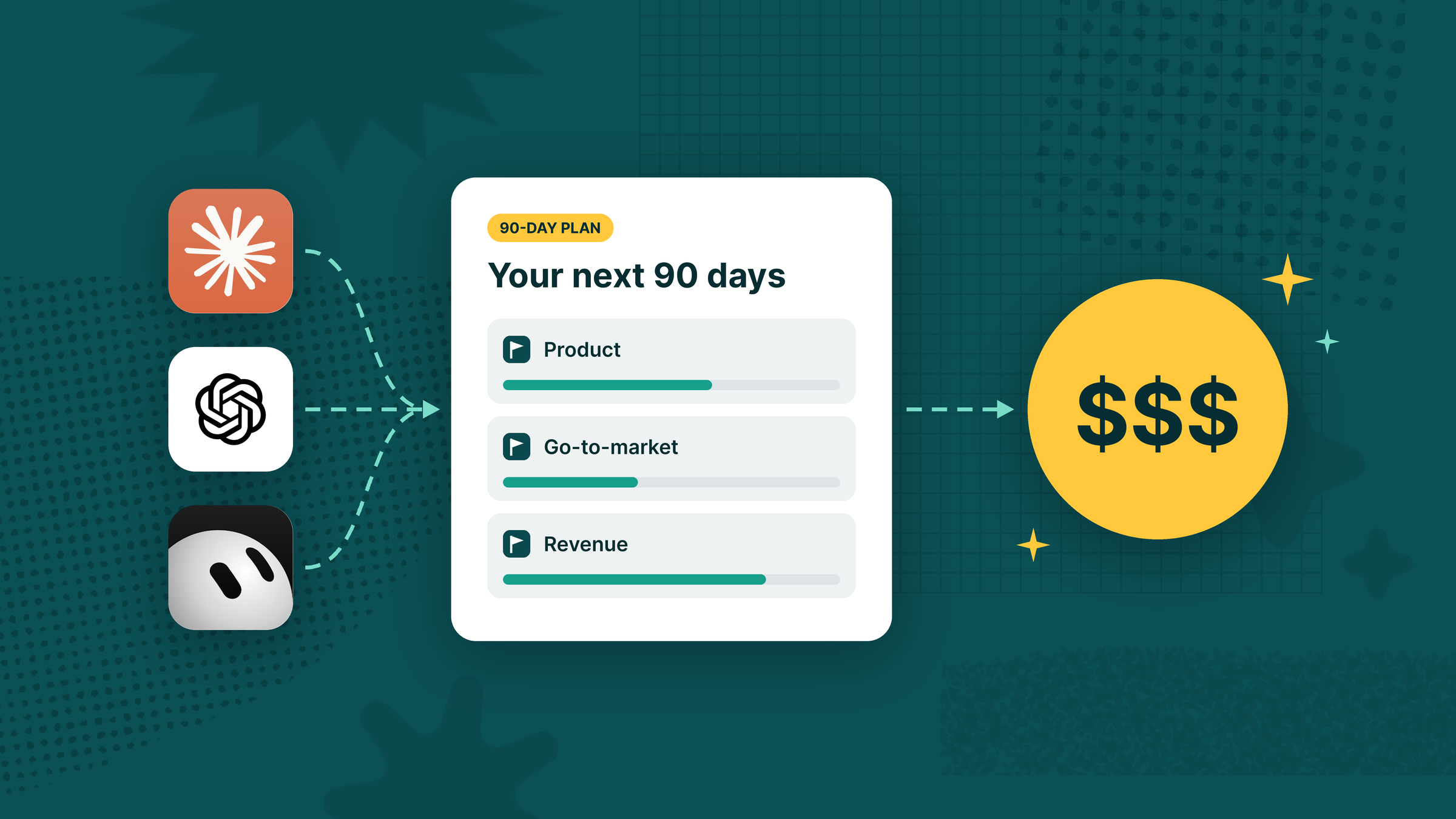
That's the model behind Tability's Agent Manager: give an agent a goal, not a chat window, and it generates its own tasks, executes them through whichever model you've connected, and reports back in check-ins the same way a person would. It's the same cadence StratOps already runs for human teammates: a named owner, a goal and a regular check-in, not a status update you have to go chasing. Teams are currently capped at six agents (one Agent Manager plus five specialists) while Tability works out how far that scales, and each one shows up on the org chart with an owner, not just an API key.
How to turn a tool into an actual teammate
- Give it a name, not a category. "The AI" doesn't get invited to anything. A name is the first signal, to the team and to the agent's own output, that this is a standing role and not a one-off script.
- Point it at a goal, not a prompt. A queue of instructions runs out. An outcome doesn't. If the agent stops the moment nobody's actively typing to it, it has a prompt, not a goal.
- Give it a seat, somewhere visible. If nobody but the builder can see what it's doing, it's not reporting, it's just running. Put its status somewhere the rest of the team already looks, the same place you'd track a person's OKR progress.
- Let more than one person direct it. A teammate takes a request from anyone with standing to make one. If only its creator can redirect it, it's a personal tool with a team-wide name.
None of this requires better AI. It requires treating the agent the way you'd treat a new hire: name, goal, seat, and enough visibility that the rest of the team can actually work with it, not just watch it. That's the real difference between an AI tool with a friendly name and an AI teammate that's earned the title. For a longer look at what changes once you're running more than one of these at once, see enterprise AI agents.
If you're weighing up whether your team's AI tools are teammates or chatbots in disguise, Tability's Agent Manager is built around exactly this distinction: agents that get a name, a goal and a seat on your team's org chart, not just a chat window. Sign up free or book 30 minutes with us and we'll help you figure out what a real AI teammate looks like for your team.
.jpg)
.png)