
Most companies have a strategy. Most also have an operations function. What they don't have is someone whose job it is to make sure the two stay connected. The strategy gets set at the annual offsite, the exec team nods in agreement, and by March it's been buried under quarterly fires and day-to-day priorities.
Sound familiar? This is the gap StratOps closes. And it's a bigger gap than most leaders want to admit.
Building a StratOps function is one of the highest-leverage things a growing company can do. This guide walks you through exactly how to do it: what the function owns, when to hire, how to set up the cadence, which tools to use, and the most common mistakes to avoid.
What does a StratOps function actually own?
Before you build anything, you need to be clear on what StratOps is responsible for. Get it wrong here and you'll either duplicate what finance or project management already does, or end up with a vague 'strategy person' who attends too many meetings and produces no real output.
At its core, StratOps owns four things.
The goal infrastructure. This means the OKR or goal-setting process: setting them, cascading them to teams, running the review cadence, and making sure every team's work connects back to the company's strategic priorities. Without this, your strategy is a deck, not a plan.
The operating cadence. Weekly check-ins, monthly reviews, quarterly OKR sessions, and annual planning cycles. StratOps doesn't just attend these meetings; it designs them, runs them, and makes sure they produce decisions.
Cross-functional initiative tracking. When a strategic priority cuts across multiple teams (which they all do), StratOps is the function that tracks progress, surfaces blockers, and escalates when things go off-track.
Strategic visibility. Producing the dashboards, reports, and signals that help leadership understand what's working and what needs a decision. Not as a reporting bureaucracy, but as an early-warning system.
For a deeper look at how these pieces fit together, the StratOps 101 guide is a good starting point.
When is the right time to build a StratOps function?
Most companies wait too long. By the time the pain is obvious — strategic drift, siloed teams, no one accountable for company-level goals — you've already lost a year of execution capacity.
Watch for these signals:
- You have more than one exec. The moment a leadership team has more than one person, you have alignment work that someone needs to own. Most early teams handle this informally. Once you're past 20-30 people, informal stops working.
- Your strategy changes faster than your teams can absorb. If you're revisiting priorities every six weeks but nothing actually shifts at the team level, the translation layer is broken. StratOps fixes that.
- OKRs keep failing. Not because the framework is wrong, but because no one owns the process. Most OKR implementations fail in the first two cycles because they become a compliance exercise rather than an operating system.
- You're planning for scale. Heading into a fundraise, a hiring push, or an international expansion? You need the operating infrastructure in place before the pressure arrives, not after.
For context on what this looks like in practice, see StratOps examples from companies at different stages — from 80-person startups to 600-person scale-ups.
How to build a StratOps function: a step-by-step guide
Step 1: Define what StratOps owns (and what it doesn't)
Start by drawing a clear boundary. StratOps is not a project management office, a finance business partner, an executive assistant, or a catch-all for work no one else wants to do.
StratOps is the function that connects strategy to execution at the company level. Everything else belongs somewhere else.
In practice, this means creating a simple one-pager that defines: the goals StratOps owns, the cadence it runs, the escalation paths it controls, and the outputs it produces each quarter. This document will save you from scope creep and confusion later.
Step 2: Set up the cadence
The cadence is the engine of StratOps. Without it, everything else is ad hoc. A basic StratOps cadence has four levels.
- Weekly: A short company-level check-in (15-20 minutes) reviewing progress on key results and flagging blockers. Not a status update — a decision-making session.
- Monthly: A deeper review of strategic initiatives. What's on track, what's slipping, and what needs a course correction. This is where StratOps earns its keep.
- Quarterly: OKR-setting and retrospective. What did we commit to? What did we actually deliver? What do we commit to next quarter? This cycle is the backbone of the StratOps framework.
- Annual: Strategic planning. Where are we going in the next 12 months? What bets are we making? What are we not doing?
The cadence doesn't need to be perfect on day one. Start with the weekly check-in and the quarterly cycle, then layer in the rest as the function matures.
Step 3: Hire (or appoint) the right person
A StratOps function can start as one person. In fact, it usually should. The role of a strategy and operations manager is essentially: run the cadence, own the goal infrastructure, and act as a communication bridge between the exec team and the rest of the company.
Who works well in this role: someone who is comfortable with ambiguity, enjoys cross-functional work, thinks in systems, and can hold a room without formal authority. Former consultants, chiefs of staff, and experienced programme managers tend to land well.
Who doesn't work well: someone who wants a defined scope and a clear output. StratOps is inherently messy. The job changes every quarter because the strategy changes every quarter.
If you can't hire externally, appoint someone internally on a part-time basis first. Two to three months of internal StratOps before a full hire will give you a clearer picture of what the role actually needs to be.
Step 4: Choose your tool stack
StratOps needs tooling in two areas: goal tracking and communication.
For goal tracking, you need something purpose-built. Spreadsheets work for one cycle, maybe two. By the third quarter, your OKR spreadsheet is out of date, no one's updating it, and the exec team has stopped looking at it. A dedicated tool like Tability gives you goal tracking, automated check-in reminders, and a dashboard that stays current without someone manually updating a spreadsheet every week.
For communication, use whatever your company already uses. Don't add a new tool here. The StratOps operating cadence should run inside the tools your teams already work in, not on top of them.
For a full breakdown of options by use case, see the StratOps tools guide.
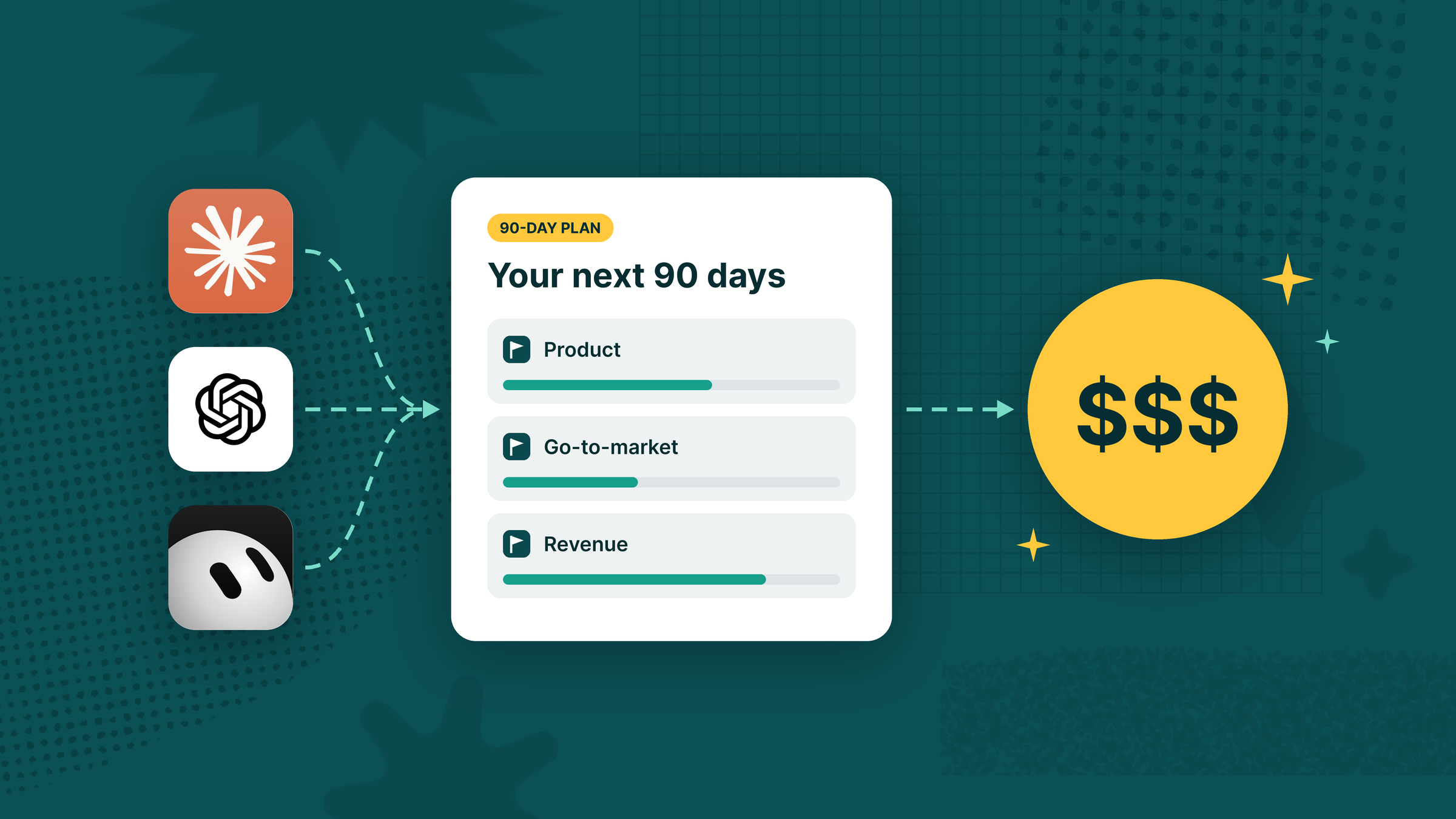
Step 5: Run your first 90-day plan
The first quarter of a StratOps function is about proving the model, not building the perfect system.
Pick one strategic priority. Run the goal-setting process for it. Set up the weekly check-in cadence. Run the monthly review. At the end of 90 days, do a retrospective: what worked, what didn't, and what would you do differently.
This approach sounds limited, but it builds credibility fast. One quarter of visible, consistent, useful output is worth more than six months of designing the ideal operating system that never launches.
Common mistakes when building a StratOps function
Trying to do everything at once. Most StratOps functions burn out in year one because they say yes to everything. Scope the function tightly at the start and expand deliberately.
Making it about reporting, not decisions. If your weekly check-in becomes a status update that no one acts on, you've built a bureaucracy, not a StratOps function. Every meeting should end with a decision or a clear next action.
Skipping the cadence during busy periods. The cadence is most useful when the company is under pressure. That's exactly when most teams abandon it. Protect the quarterly review and the weekly check-in as non-negotiable.
Building it for the exec team only. StratOps should serve the whole company, not just the C-suite. If teams don't feel like StratOps helps them, they'll route around it.
Underestimating the change management. StratOps changes how decisions get made and how progress gets reported. That creates friction. Invest time explaining the why to teams, not just rolling out the process.
Getting started
Building a StratOps function is one of the most impactful things a growing company can do. The good news is you don't need a large team or a big budget to get started. You need clarity on ownership, a consistent cadence, and the right tool to hold it all together.
If you're building the strategic operations function at your company — or trying to convince leadership it's needed — Tability is the easiest way to get the infrastructure in place. It handles OKR tracking, automated check-ins, initiative visibility, and the reporting your exec team needs, without the overhead of an enterprise platform.
Sign up free and run your first quarterly cycle, or book 30 minutes with us and we'll help you figure out what this looks like for your team. Tability or not!

.jpg)
.png)