


In Q2 of 2024, Loqbox decided to ditch their spreadsheet approach by adopting Tability to manage their OKRs and get a better understanding of the work that's being done across their organisation. They’re using Tability across 13 different teams, involving the entire Loqbox org.
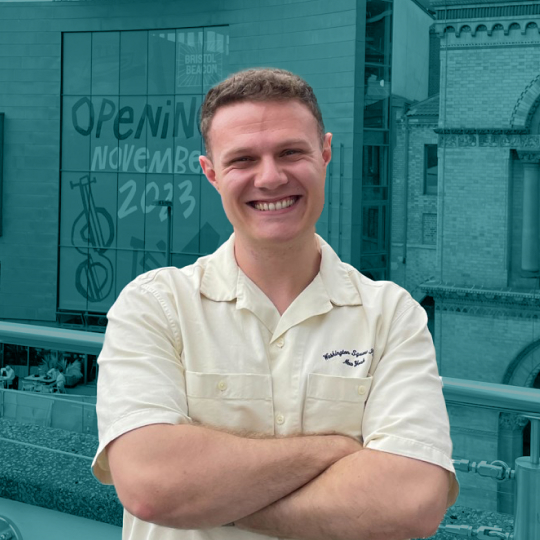
To gain deeper insights into their journey and the impact of Tability, we spoke with Jack Middlemore from Loqbox. In this case study we’ll explore the challenges Loqbox faced before Tability, the benefits they’ve gained since its implementation, and how Tability has become an indispensable tool for their team. Let’s dive in.
Getting visibility into what your teams are working on is hard. “The biggest question we’re trying to answer [with Tability] is, ‘what are other teams doing?’ There is overlap across the business on the objectives and key results.” Tools like docs and spreadsheets are great for putting ideas onto paper, but quite often they’re re-engineered to try and do very complicated things. Spreadsheets aren’t built to give visibility into your business and help align teams the way that a tool like Tability can.
About Loqbox
Loqbox is a wellbeing business that focuses on financial health. While everyone interacts with money, very few have a happy, healthy relationship with it. As a multi award-winning business, Loqbox has already helped over a million people improve their financial health. With a team of over 100 employees, Loqbox is dedicated to transforming financial wellbeing on a global scale. Tability has become one of the key tools that they use in their org as a central place for goals and help drive execution across all their teams.
The OKR pilot: Before Tability
Before implementing Tability, Loqbox struggled with managing and tracking their objectives and key results (OKRs). They relied on a cumbersome Excel spreadsheet to document their OKRs, but it was far from effective. Jack Middlemore explained, "we ran a pilot and were tracking everything in Google Sheets, which, as you can imagine, was hard to look at. Nobody was tracking things and doing updates, so at the end of that pilot cycle, we were nowhere near the progress that we thought we'd get.” The OKRs were not being actively tracked, and there was no organized process to understand the progress and work being done.
“What we were using before was a chunky Excel spreadsheet. So it's like we're trying to compare a boxcar to a sports car, quite honestly."
The Tability experience
While a spreadsheet can be a great place to start laying out your goals and OKRs, it lacks the proper features to help drive the processes necessary to make you successful in your execution. Switching from spreadsheets to OKRs didn’t just give Loqbox better results, but helped them build in a process that actually worked in the first place. It’s not just a static document, but a system with real moving parts. As Jack describes it: “We've just got live OKRs… What we were using before was a chunky Excel spreadsheet. So it’s like we're trying to compare a boxcar to a sports car, quite honestly.”
Improved visibility and alignment
Since adopting Tability, Loqbox has experienced a remarkable transformation in how they manage their business metrics and align their team's efforts with company goals. One of the most significant benefits has been the ability to map the relationships between key results at both the team and company levels.
“The biggest question we’re trying to answer is, ‘what are other teams doing?’ There is overlap across the business on the objectives and key results.” According to Jack, understanding what other teams are doing and finding places where teams are overlapped and can collaborate has been one of the key benefits for them.
Loqbox uses Tability to align their key results to one another using outcome relationships. This allows you to connect one key result with others in sub-plans below it. Using Tability’s Cascading Map, Jack is able to click into one outcome and see all the outcomes related to it in a visual hierarchy.
Jack Middlemore noted, "Mapping the relationships between key results between the teams, the parent, and the company level key results is really good. That's been really useful." This capability has allowed Loqbox to align on their strategy from the top level down to everyone in the org.
More than just OKRs
Loqbox adopted Tability as a way to help them stay on track with their OKRs. While this is a main feature of Tability, an unexpected bonus for Loqbox was the project management features.
"Some of the teams actually are using it in place of their current project management tools. Our commercial team currently has 98 initiatives in there, and they prefer using Tability outright rather than their previous tools," Jack states. Tability has proven to be more than just a tool for strategizing and visibility; its lightweight design and seamless integration with their OKRs have made it a preferred choice for many at Loqbox. Much like the relationships in key results, having their initiatives tracked in Tability helps their work stay in context to the overarching goal above it — “why” their working on this initiative in the first place.
“Some teams have really taken a liking to the initiatives section and are using it daily.”
Tability has not only provided Loqbox’s has given visibility into what their teams are working on and made tracking OKRs more consistent, but has been a vehicle for many teams to execute on their tasks as well. Jack says, “some teams have really taken a liking to the initiatives section and are using it daily.” From strategy to execution, Tability has been a 360 degree view on their business.
Enhanced collaboration
Tability centralizes your teams around goals, which has significantly enhanced team collaboration and communication. It helps your team focus more on what matters and keeps it top-of-mind.
With this change, the platform has fostered better discussions around their work by providing a clear understanding of how tasks are connected to the overall strategy. Jack enthusiastically remarked, "[We] Love, love Tability. It's so good to have a centralized view of the work that's going on. It's making collaborating easier. It's making asking questions easier." This clarity has made collaboration more natural and conversations more meaningful, as everyone understands the why behind their work.
Using features like the feed in the My focus page, Jack gets visibility into what everyone in the org is working on.
"Love, love, love Tability. Amazing. It's so good to have a centralized view of the work that's going on. It's making collaborating easier. It's making asking questions easier."
Conclusion: better collaboration around the things that matter
Loqbox's transition from a “chunky Excel spreadsheet” to Tability marked a significant improvement in their ability to manage and track their goals and their work. Tability introduced a seamless, collaborative system that provided clarity and structure, allowing Loqbox to connect strategy to execution effectively. With Tability, Loqbox now enjoys improved visibility, enhanced team alignment, and meaningful collaboration, driving their business forward with greater efficiency and purpose.


.jpg)
