Strategy, quarterly planning, and more.
A free quarterly business review template built around decisions, not slides. Copy the sections, use the sample QBR agenda and run a tighter review.
SMART objectives explained: what the acronym means, where it came from, and why writing one well is no guarantee anyone tracks it after week one.
An operational plan and a strategic plan aren't interchangeable. Here's the real difference, where the annual operating plan fits, and how to keep either one from going stale.
A theory of change model isn't just for grant applications. Here's what it is, why it quietly fails in business, and how to run one on a cadence.
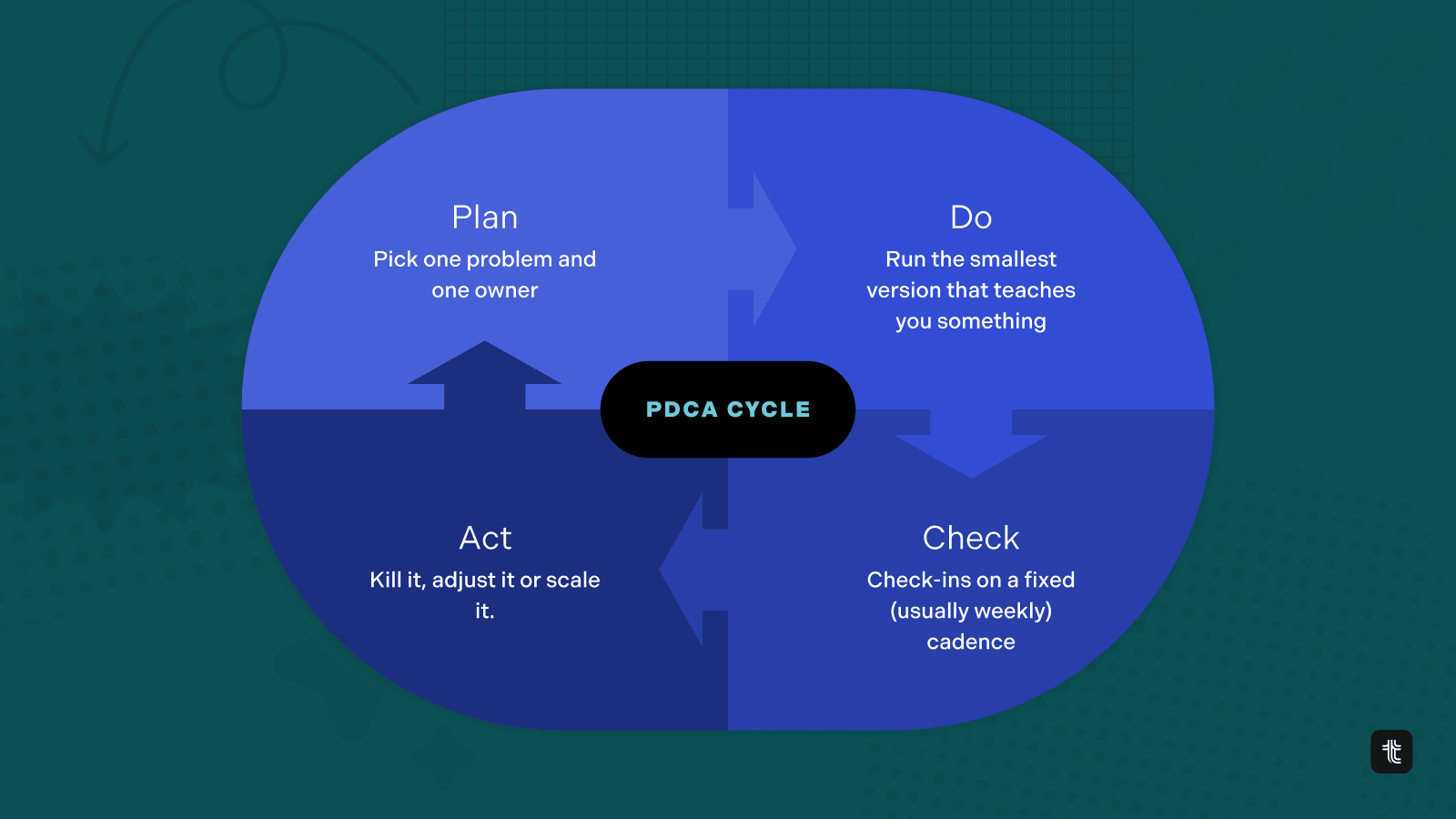
What the PDCA cycle actually means, why most teams stall after 'check', and how to turn Plan-Do-Check-Act into a loop that keeps running.
A growth strategy is only as good as the cadence behind it. Here's how to pick one, and turn it into OKRs you'll actually track.
Most strategic decision making advice offers a better framework. The real gap is timing. Here's how to give big calls a slot in your existing cadence.
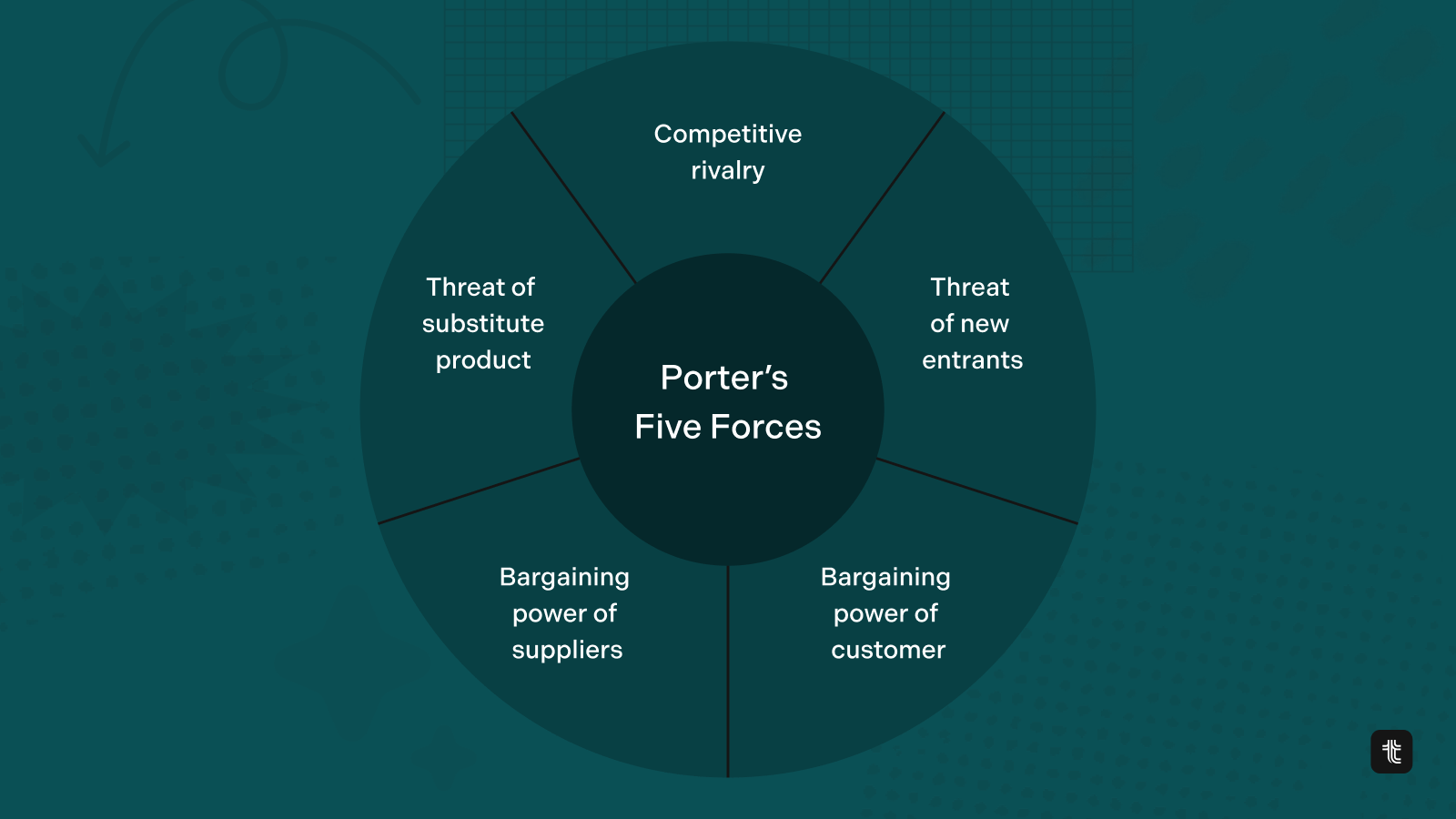
Porter's Five Forces explained in plain English: what the five forces mean, how to run the analysis, and how to stop it becoming a forgotten slide.
Goal setting theory isn't a productivity buzzword. It's 50 years of psychology research explaining why some goals work and most quietly fail.
What a mission statement actually is, why most fail within a year, real examples that work, and a 5-step process for writing one that holds up.
EOS (Entrepreneurial Operating System) explained: the six components, how Rocks and L10 meetings work, and where it runs out of road as you grow.
Linking OKR scores to performance reviews and pay quietly kills ambition. Here's why we keep OKRs and performance management deliberately separate.
A guide to change management models like Lewin, Kotter and ADKAR, and the missing piece: how to turn any model into something you actually track.
An accountability partner keeps your goals on track when willpower runs out. Here's how to find one, run the check-ins, and know when you need more structure.
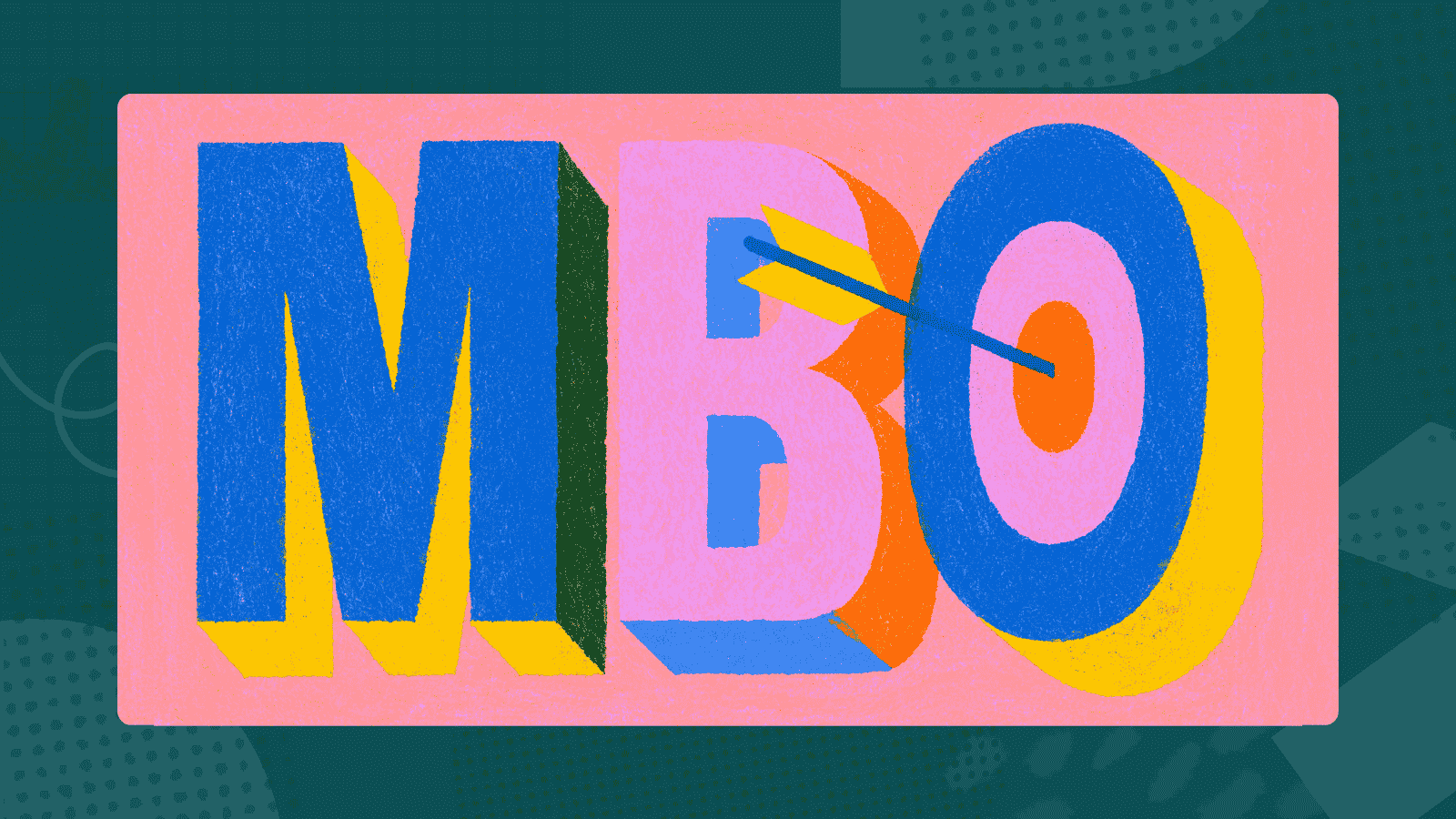
Management by objectives (MBO) is the 1954 Drucker idea behind OKRs. Here's how MBO works, why it fell out of favour, and what changed.
Curious? Schedule a free demo